Legends of Early Movie Stunts
Lloyd, Keaton, Canutt and the birth of stunts. From Harold Lloyd's clock to Buster Keaton's falling house, the silent-era stars who built movie stunts and the safety tricks behind them.
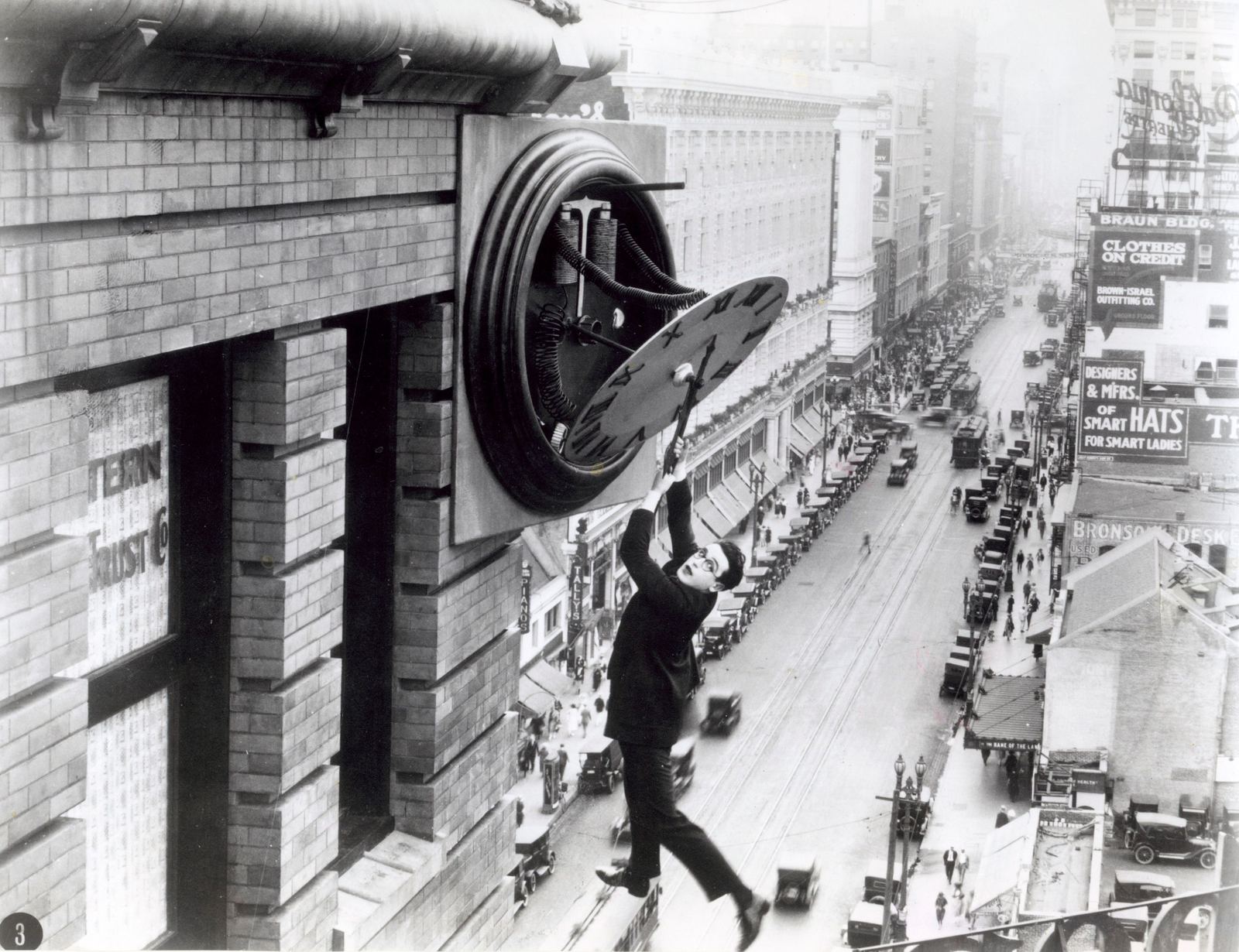
Harold Lloyd in Safety Last!: Unknown author, Public domain
Harold Lloyd and the clock
One of the most famous images in film history shows Harold Lloyd dangling from the hands of a clock high above a Los Angeles street in Safety Last!, which premiered on 1 April 1923. It looks terrifying, but the scene was cleverly staged. The crew built sets on the roofs of several buildings, used camera angles to exaggerate the height and placed safety platforms below the action. A stunt double handled some long shots.
Lloyd still did a great deal himself, which is remarkable because he had lost a thumb and forefinger in a prop accident four years earlier.
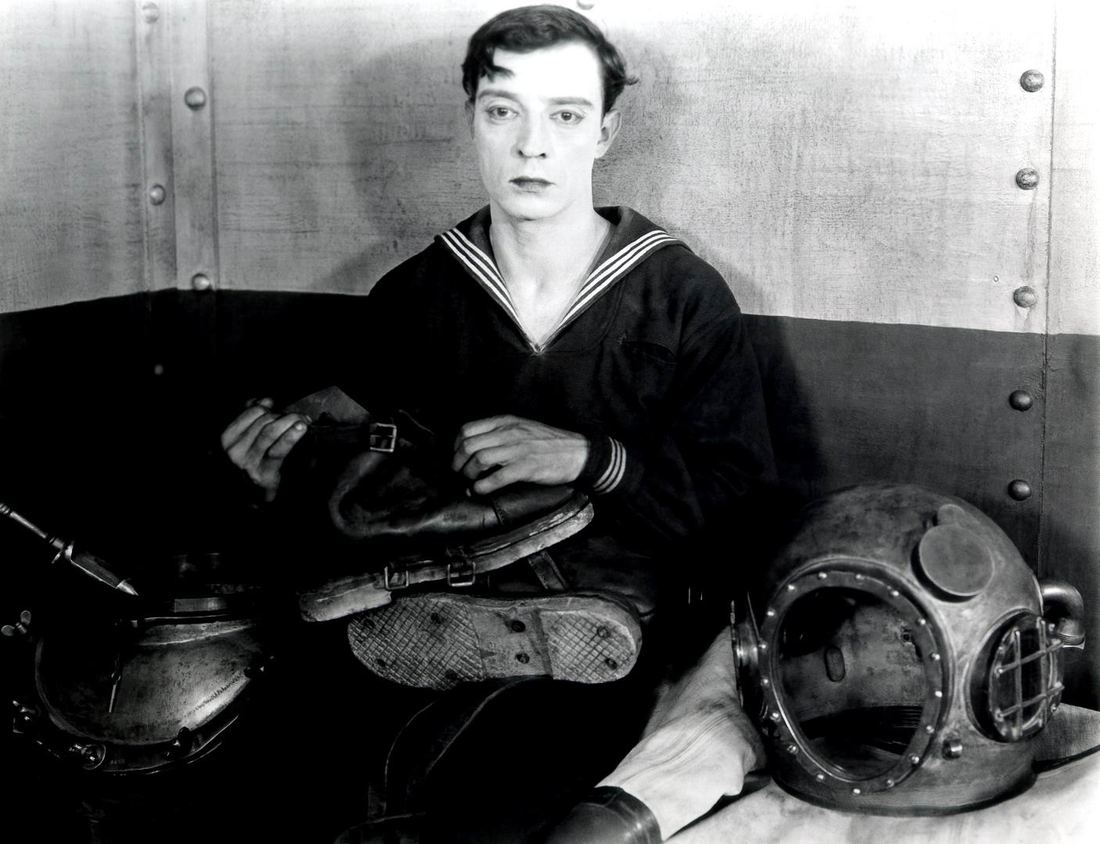
Buster Keaton's falling house
Buster Keaton planned and performed his own stunts, and the most famous comes from Steamboat Bill, Jr., released in 1928. A real house facade weighing about two tons falls toward him, and he survives only because an open attic window passes neatly around his body. The spot where he stood was carefully measured and marked in advance.
Film historians often point out how precise the planning had to be. It is a lesson in why stunts are engineered, not improvised.
Yakima Canutt, the safety pioneer
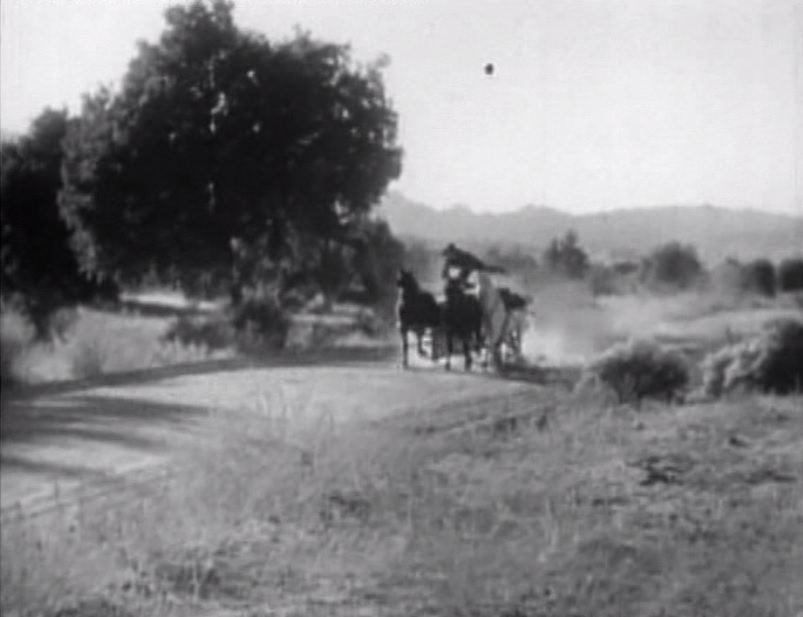
Yakima Canutt, a champion rodeo rider, became one of the most important stunt men of the twentieth century. He is remembered for daring horse and wagon work in westerns such as Stagecoach in 1939, and later for directing the chariot race in Ben-Hur in 1959.
Just as important, he invented equipment to protect performers and animals, including a special stirrup that released a rider during a fall and cable rigs for controlled wagon crashes. In 1967 he received an honorary Oscar for his achievements as a stunt man and for developing safety devices to protect stunt men everywhere.
Their real legacy
These pioneers proved that the best stunts depend on planning, rehearsal and new safety ideas. Modern stunt teams build on that tradition with far better equipment and strict professional standards.
The feats on this page were performed by professionals. Please enjoy them, but never attempt to copy them.
Watching the classics today
Many silent comedies and early westerns are now in the public domain, and film archives and libraries have restored them. Watching them today, you can appreciate the timing and imagination that went into scenes made long before digital effects.
Knowing how those scenes were staged makes them even more impressive, because you can see the planning hidden in every frame.
- Harold Lloyd in Safety Last!: Unknown author, Public domain
- Buster Keaton, 1924: Buster Keaton, Public domain
- Yakima Canutt at work: Lone Star Productions, Public domain
Text written by Legendary Awesome.
← Stunt Work as a ProfessionStunt Shows and Trampoline Acts →